

Custom painting stencil
Made to individual order
A painting stencil to your own design
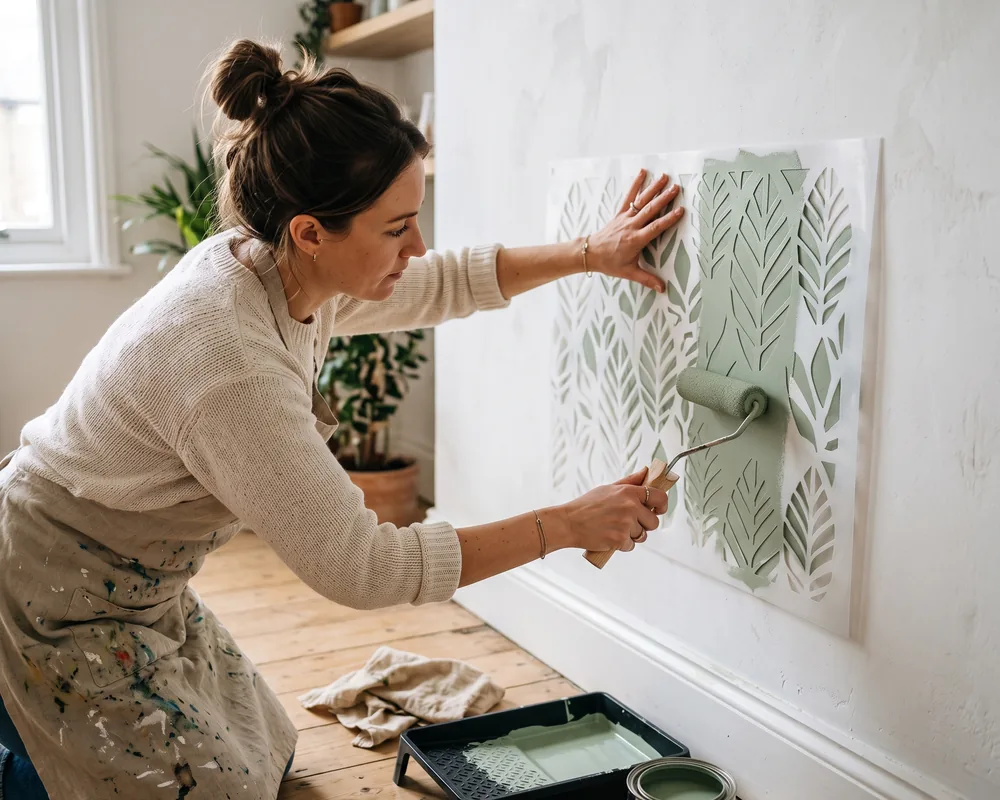
We cut painting stencils from your artwork: a company logo for a wall or a floor, lettering, a repeating decorative pattern, parking bay numbering, zone markings in a hall. We make them from single use self adhesive vinyl or from rigid, reusable plastic. A plastic stencil can be used many times over, on large areas too.
How does an order work?
- Send us your design
A vector logo, a drawing, a photo of the pattern or just a description. Give us the target size on the wall. - Get a quote
We answer on working days from 8:30 to 16:30, usually within one working day. - Production within 7 days
We send the stencil by courier within 24 to 48 hours, rolled or flat.
How much does a custom painting stencil cost?
Prices include VAT and are per piece, based on 103 orders completed in our production. Besides the size, the complexity of the design counts: simple lettering is cut faster than a fine ornament with hundreds of bridges, which is why we give the final amount once we have seen the file.
- Logo for a door or a window30 x 30 cmfrom PLN 35
- Wall pattern50 x 50 cmfrom PLN 61
- Large wall stencil120 x 120 cmfrom PLN 157
- Reusable
- Any design from your file
- Flexible vinyl or rigid plastic
- Orders from a single piece
A repeating pattern across a whole wall is made as a single module with positioning marks, so you move it along and carry on painting with no breaks in the pattern. No file ready? Our designer will prepare the design, usually PLN 40 to 100 depending on complexity.
Get your stencil quotedCommon questions about custom painting stencils
How much does a custom painting stencil cost?
A 30 x 30 cm stencil starts at PLN 35 including VAT, 50 x 50 cm at PLN 61, and a large 120 x 120 cm one at PLN 157. Large formats are calculated by area, from around PLN 113 per square metre of cut vinyl. The complexity of the design affects the price too, because a fine ornament takes far longer to cut than simple lettering.
Is the stencil reusable?
Yes. We cut them from a material that, once washed and dried, is ready for the next painting. With a repeating pattern on a large wall that is essential, because you move the same module along and carry on. How long it lasts depends on how thoroughly you wash the paint off after each use.
How do I get a painting stencil made from my own design?
Send us the artwork, ideally vector, and give us the target size on the wall. We will check whether the design can be cut: enclosed parts, for example the middle of the letter O, have to stay connected to the rest of the stencil by bridges. We will suggest where to place them so that they show as little as possible once painted.
What paint should I use with painting stencils?
Thick acrylic or latex paint applied with a sponge or a short pile roller is best. The amount of paint is the key: pick up a little and dab off the excess, because thin paint creeps under the edge of the stencil and blurs the outline. Spray works too, but it means masking the surrounding area first.
Is a stencil suitable for a floor?
Yes, zone markings, parking bay numbers and walkways in halls are most often done with a stencil. For floors we choose a thicker material that stands up to being stood on and walked over during painting. Tell us what surface it has to work on and we will match the thickness.
Do you make single pieces?
Yes, we take orders from a single piece, with no minimum order value. We will also take a set of stencils, for example a set of digits for numbering parking bays or a full alphabet for lettering.
Projects we have made for our customers
The stencils below were made to individual orders. Treat them as inspiration and as proof of what is possible: we will quote and cut your design in exactly the same way.
What is a custom painting stencil?
It is a cut out design through which you apply paint straight onto a surface. What you get is a motif made of paint rather than a sticker, so the design is part of the wall or the floor and does not peel away over time. You can use the same stencil many times over, which matters with repeating patterns and with markings that have to be refreshed from time to time.
Material and construction
- Flexible vinyl: sits on a slightly uneven surface and can be rolled up. For walls, furniture and curved surfaces.
- Rigid plastic: thicker and resistant to pressure, for floors, walkways and parking bays, where the stencil gets walked on.
- Bridges: enclosed parts, for example the middle of the letter O, have to stay connected to the rest of the stencil. We place them so that they show as little as possible once painted.
- Modular design: with a repeating motif across a whole wall we cut a single module with positioning marks, so you move it along and carry on painting with no breaks in the pattern.
How do I paint through a stencil?
Thick acrylic or latex paint applied with a sponge or a short pile roller works best. The amount of paint on the tool is critical: pick up a little and dab off the excess, because thin paint creeps under the edge and blurs the outline. Press the stencil down across its whole surface, especially around fine details. Paint in thin coats, adding the next only once the previous one has dried off. Spray works too, but it means masking the surroundings.
Cleaning and storage
Wash the paint off right after painting, before it cures, using warm water and a soft sponge. A dried on layer reduces the precision of later impressions, because it changes the thickness of the edge. Store the dried stencil flat or loosely rolled, never folded, because creases show up later in the painted design.
Where do our stencils work well?
In companies they are used to paint a logo on a reception wall, to mark zones and walkways in halls, to number parking bays and to label warehouse racking. In private spaces they are decorative patterns on walls, refreshing furniture and motifs in children's rooms. They are also ordered by renovation contractors and by companies doing floor marking.